
Litigation

Lawsuit for the execution of negotiable instruments
The lawsuit for the execution of negotiable instruments is an alternative procedure to the ordinary and verbal ones.

The dissolution of the community of property
The community of property exists when the property of a property belongs undividedly to several people. On many occasions, joint ownership generates discrepancies and it is impossible for the community…

The bills of exchange actions for non-acceptance and non-payment.
Exchange shares are granted to the creditor when there is a breach of a bill of exchange. This breach must be due to non-payment or non-acceptance of the letter.

The Presumption of Good Faith of the Rights in Rem Owner
Article 34 LH protects acquisitions in good faith by transmission of someone who did not have the power to dispose of.

The legal standing to sue heirs who have tacitly accepted the inheritance
Before analyzing the cases of tacit acceptance of inheritance, it is convenient to remember which are the modalities of acceptance of inheritance. The first modality is the pure and simple…
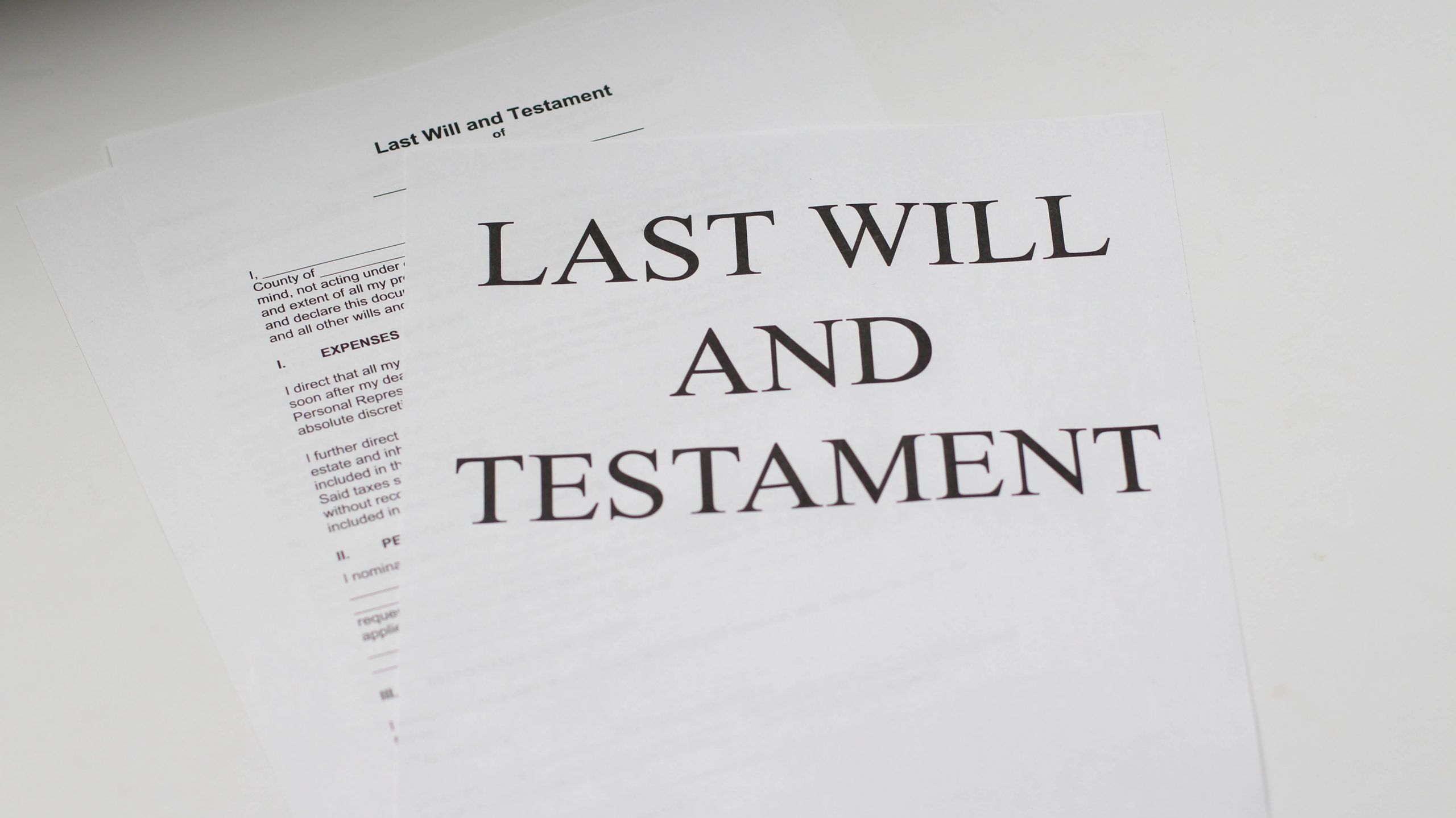
Obstacles in the distribution of the inheritance.
The testament is a legal instrument by which a person determines the destination of their assets and assets. In addition, it is a formal, unilateral and solemn act where the…

The “non adimpleti” exception in construction contracts.
Although both the exception of a non-compliant contract and the exception of a non-compliant contract are well known, a brief reminder should be made prior to analyzing their role in…

Prescription of rental income
The term established to claim the lease rent (housing or premises) will expire after 5 years. This is stipulated in article 1966.2 of the Civil Code. However, in Catalonia it…
Pro Soluto vs Pro Solvendo
This article explains the main differences between “datio pro soluto and pro solvendo”. Mainly, its regulation and the differentiating criteria that jurisprudence has been setting

Law against Default: Main aspects
When the debtor is in default, the creditor will be entitled to compensation for the collection costs that he proves.