
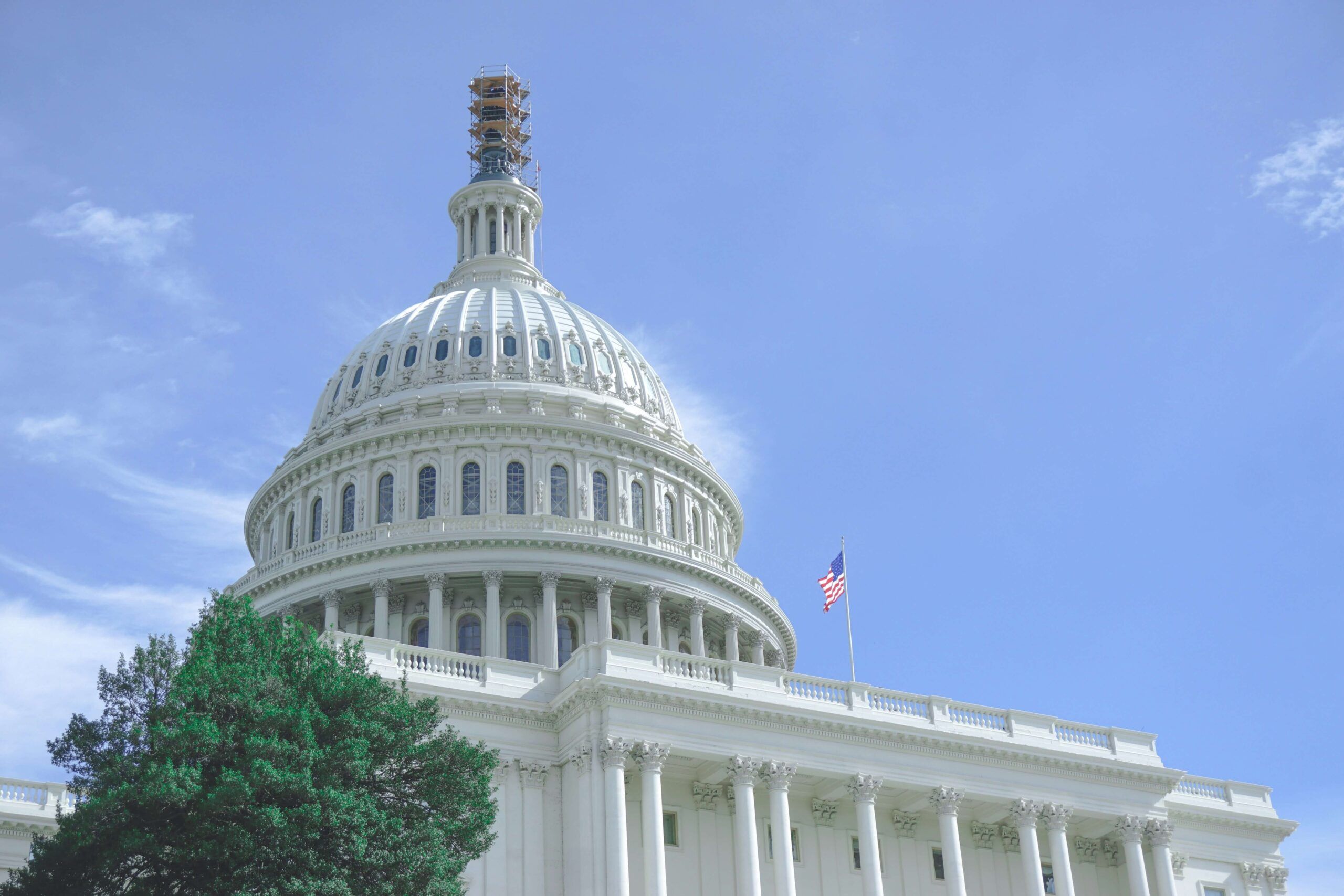
In recent years, the cryptocurrency industry has gone from being a marginal player to becoming a political lobby with real weight in Washington. Brian Armstrong, CEO of Coinbase, explained it with remarkable candor: the sector understood that, in order to survive and thrive, technological innovation alone was not enough. It was necessary to accumulate political power.
STAY UPDATED
This is how a grassroots movement, standwithcrypto.org, emerged, organizing millions of users in the U.S. and giving them a voice before Congress. One of its most effective tools was the creation of “scorecards” that ranked legislators according to their stance on the crypto world. The message was clear: voters knew who supported or blocked innovation, and they were willing to vote accordingly.
The effort was not limited to mobilizing users. Armstrong acknowledged that there was also a strong push into the more pragmatic terrain of U.S. politics: PACs (Political Action Committees). These committees make it possible to raise funds to support or challenge candidates in elections. And this is where Fairshake enters the scene, a “Super PAC” that has channeled tens of millions of dollars from the crypto industry to back pro-crypto candidates and oppose those who maintained a hostile stance.
At this point, it is worth understanding the difference between PACs and Super PACs in the field of campaign finance in the U.S. A PAC has limitations on the amounts it can donate to political parties: a traditional PAC can only donate up to $5,000 per candidate per election, and only up to $15,000 per year to a political party.
However, in 2010, following two U.S. Supreme Court rulings, the door was opened to a new entity: the Super PAC. They are similar to PACs, but with one fundamental difference:
- They can raise and spend unlimited amounts of money from individuals, corporations, unions, and associations. But they cannot donate directly to candidates or officially coordinate with their campaigns. Their activity is focused on independent political advertising, such as ads supporting or opposing a candidate.
Thus, the Fairshake Super PAC became a key player, showing that in the U.S., money is an inevitable component of the electoral process. Democracies may debate it, as Armstrong noted, but the reality is that those with financial backing have a greater ability to influence outcomes.
The results were immediate: some members of Congress hostile to cryptocurrencies lost their seats in the last elections, while others supportive of innovation gained ground. Washington took note: there is a “crypto voter,” and its weight is beginning to be decisive.
Beyond the anecdote, this case illustrates a broader issue: the interaction between law, politics, and technology. The ecosystem of stablecoins and cryptocurrencies not only redefines financial systems; it is also reshaping the way economic interests seek representation in the democratic process.
Do you know how DORA, MiCA and the rest of the new framework affect you? We help you get ahead of it without slowing your operations. Get in touch.
Contact
Don’t be left in doubt, get in touch. We’ll be happy to help and offer you solutions.
If you enjoyed this article, you may also find the following one interesting to read: