
Last updated: 5 August 2026.
Quick answer. The development of a photovoltaic energy project in Spain unfolds in successive phases. It begins with planning and feasibility studies, assessing the site’s solar radiation, land orientation, grid connection capacity and the investment costs and expected revenues. Next comes the permitting and licensing phase, often lengthy and complex, which includes the grid access and connection permit managed by the system operator and the environmental authorization issued by the competent regional authority. Each stage must be managed carefully, complying with the applicable legal and technical regulations, since technical, economic and administrative factors together determine whether the plant can be built and operated successfully.
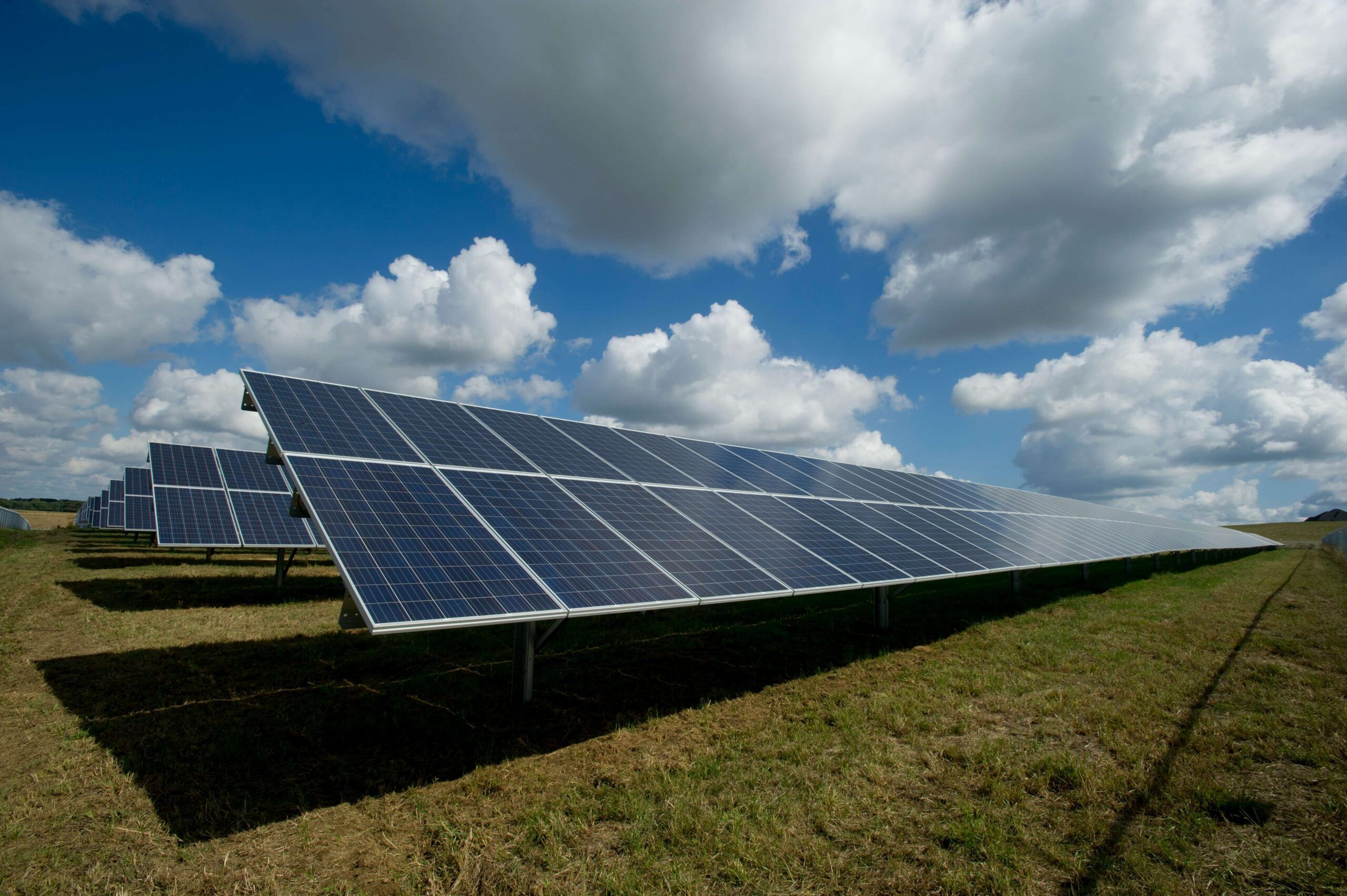
Photovoltaic energy has gained significant prominence in the global energy landscape due to its ability to generate electricity in a clean and sustainable manner. Spain, with its abundant solar radiation, is an ideal country for the development of such projects. However, the implementation of a photovoltaic plant is not a simple process, it involves various phases that must be carefully managed while adhering to the relevant legal and technical regulations. Below, we describe the main stages in which these projects are divided.
1. Planning and Feasibility Study Phase
The first stage in the development of a photovoltaic project is planning, which includes conducting both technical and economic feasibility studies. This process involves a series of analyses that will determine the profitability of the project and the suitability of the land for the installation of solar panels.
From a technical standpoint, the geographic location, land orientation, available solar radiation in the area, and connection capacity to the electrical grid are assessed. Additionally, it is crucial to evaluate access to the land, potential obstacles to installation, such as the presence of shadows that may affect panel efficiency, and the required infrastructure, such as access roads and drainage systems.
From an economic perspective, an investment cost analysis is carried out, including both direct costs (purchase and installation of solar panels, inverters, and other equipment) and indirect costs (grid connection, administrative procedures, and permits). This phase also includes a forecast of the revenues the plant will generate once operational, based on renewable energy compensation tariffs and other available financial or fiscal incentives.
Permitting and Licensing Phase
Once the feasibility study is complete and the project is considered economically viable, it is necessary to obtain the relevant permits and licenses to proceed with the installation of the photovoltaic plant.
In Spain, this process can be lengthy and complex due to the variety of permits required and the authorities involved in each one.
The most relevant permits include the access and connection permit to the electrical grid, managed by the system operator, and the environmental authorization, obtained from the competent environmental authority of the corresponding autonomous community.
Additionally, depending on the location of the project, it may be necessary to obtain urban planning licenses that validate the suitability of the land for the installation of a photovoltaic plant.
In this phase, detailed studies must be presented to justify the environmental impact of the project, the corrective measures to be implemented to minimize such impact, and the compatibility of the project with the urban planning of the area. It is important to note that, in some cases, if the plant exceeds a certain size or affects a protected area, an Environmental Impact Assessment (EIA) will be required.
Financing Phase
The financing phase is crucial for the execution of the photovoltaic project. Given that these are large-scale projects, financing typically requires the participation of multiple entities, which may include private investors, banks, and funds specializing in renewable energy.
In this phase, the different financing options available are assessed, which may include both equity financing (capital contributions from partners or investors) and debt financing (bank loans or bond issuances). The terms of financing will depend on the profitability of the project, the associated risks, and the prospects of the energy market.
It is common for photovoltaic projects to be structured with a combination of debt and equity capital, allowing developers to ensure the execution of the project without taking on excessive risk. Furthermore, fiscal incentives such as renewable energy investment subsidies can play a crucial role in the economic viability of the project.
Construction and Installation Phase
Once the financing and necessary permits have been obtained, the construction and installation phase of the photovoltaic plant begins. This stage encompasses land preparation, installation of solar panels, storage systems (if included in the project), and the necessary infrastructure for grid connection.
The construction process usually begins with land preparation, which may involve clearing, erecting security fences, and installing drainage systems if required. Next, the support structures for the solar panels are installed, followed by the connection of the panels to the inverters, which convert solar energy into usable electricity.
This phase also requires the implementation of security and surveillance systems, as photovoltaic plants are susceptible to damage or theft due to the high value of their components. Additionally, functionality tests of the systems and equipment must be carried out to ensure that the plant operates as intended.
Commissioning and Grid Connection Phase
Once the photovoltaic plant has been constructed, the commissioning phase begins. This stage involves verifying that all systems are functioning properly and that the plant is generating the expected energy.
During this process, thorough quality control and testing of all equipment, such as inverters and solar panels, are carried out to ensure they operate at their maximum capacity and efficiency. The plant is also connected to the electrical grid, allowing the generated energy to be injected into the distribution system and used by consumers.
It is important to highlight that, in some cases, commissioning also includes impact tests on the electrical grid to ensure that the photovoltaic plant does not cause disturbances or overloads on the system.
Operation and Maintenance Phase
Once the photovoltaic plant is operational, it enters the operation and maintenance phase. During this stage, the production of energy is continuously monitored, and preventive and corrective maintenance of the equipment is carried out. This maintenance includes regular cleaning of the solar panels, inspection of the inverters, and repair of any faults in the infrastructure.
The efficiency of a photovoltaic plant largely depends on the proper maintenance of the equipment and continuous monitoring of its performance. Therefore, operation and maintenance (O&M) contracts with specialized companies are established to ensure that the plant operates efficiently throughout its useful life.
It is worth noting that, in some cases, photovoltaic projects include an energy storage component, such as batteries, to optimize the generation and storage of electricity. In these cases, energy storage management becomes an essential part of the operation.
The development of a photovoltaic project involves a series of complex phases that require careful planning, compliance with legal regulations, and an appropriate technical approach. From initial feasibility to ongoing operation, each stage is crucial to ensuring the success, profitability, and sustainability of the project. Collaboration between legal, technical, and financial stakeholders is key to ensuring that the process proceeds efficiently and in compliance with current regulations.
If you liked this article, you may also find it interesting to read the following one:
Project Finance in the Renewable Energy Sector
Don’t be left in doubt, get in touch. We’ll be happy to help and offer you solutions.
Frequently asked questions
From a technical standpoint: geographic location, land orientation, available solar radiation, grid connection capacity, access to the land, potential obstacles such as shadows affecting panel efficiency, and required infrastructure like access roads and drainage. From an economic perspective: direct and indirect investment costs and a forecast of the revenues the plant will generate once operational.
The access and connection permit to the electrical grid, managed by the system operator, and the environmental authorization, obtained from the competent environmental authority of the corresponding autonomous community, in addition to other permits that depend on the characteristics of each project.
Because of the variety of permits required and the different authorities involved in each of them, which makes the process long and complex despite Spain being an ideal country for photovoltaic development thanks to its abundant solar radiation.
Direct costs such as the purchase and installation of solar panels, inverters and other equipment, and indirect costs such as the grid connection, administrative procedures and permits.
The feasibility studies: the suitability of the land, the available solar radiation, the connection capacity, the analysis of investment costs and the forecast of revenues once the plant is operational, based on renewable energy compensation tariffs and other available financial or fiscal incentives.
Contact
Don’t be left in doubt, get in touch. We’ll be happy to help and offer you solutions.