
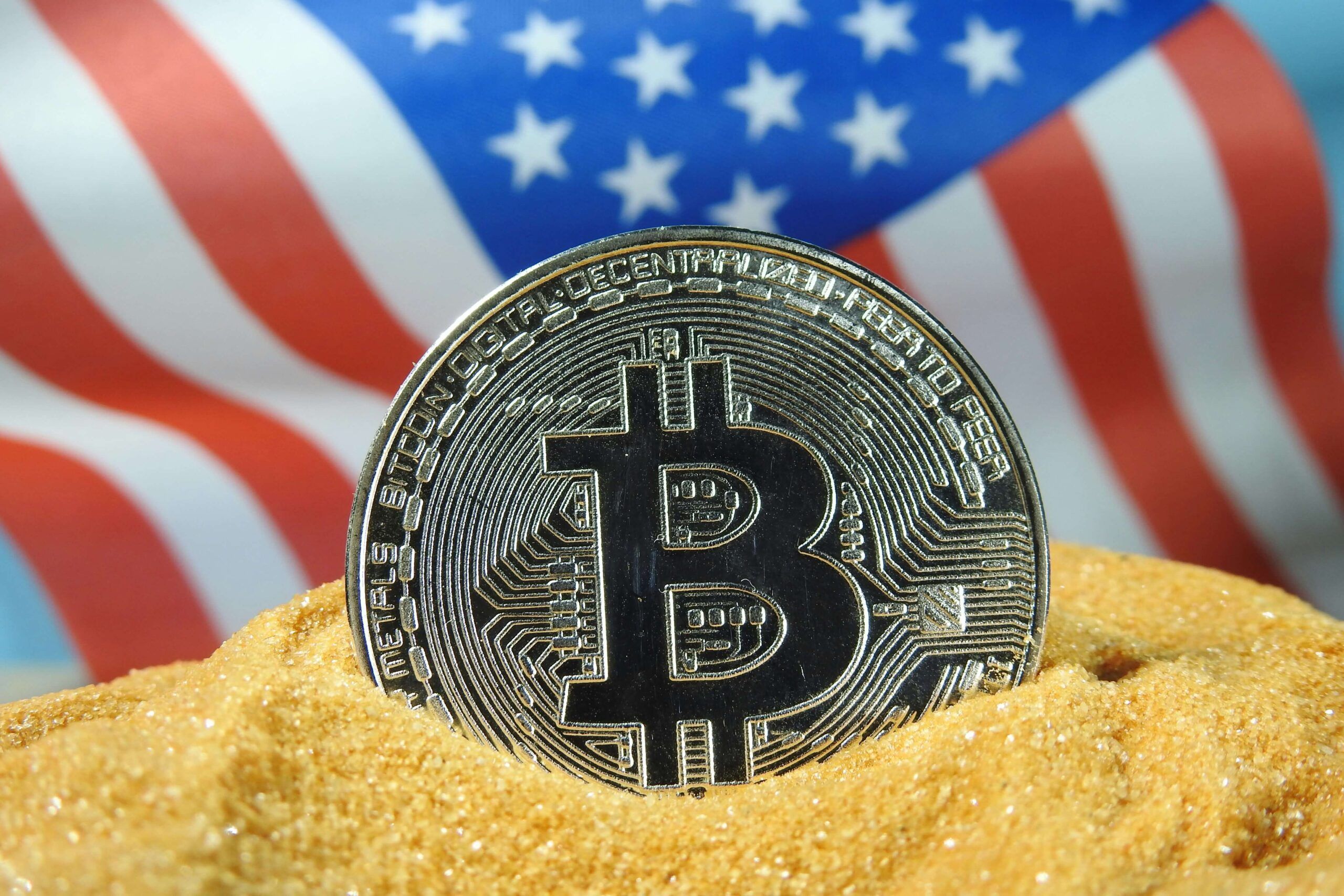
The Trump administration appears to mark a significant shift from the approach of the previous administration. As stated on multiple occasions, it aims to move from primarily assessing risks to promoting responsible growth and innovation in the digital asset industry.
STAY UPDATED
Below is a link to the video contribution, should you prefer this format:
Clear First Steps: Executive Orders No. 14067 and 14178
The initial decisions have been clear: the revocation of Executive Order No. 14067 and the signing of Executive Order No. 14178.
The revocation of Executive Order No. 14067, issued by former President Joe Biden in 2022, is noteworthy. That order had primarily focused on assessing the risks posed by digital assets rather than fostering their growth. In contrast, on January 23rd, President Trump signed Executive Order No. 14178, which expressly seeks to enhance U.S. leadership in digital financial technology.
Regulatory Clarity and the End of “Regulation by Enforcement”
As noted in a previous contribution, a central objective is to establish clearer and technology-neutral guidelines for digital assets, departing from the practice of imposing regulation via enforcement actions.
Executive Order on Digital Assets (No. 14178):
This order serves as the foundation for recent developments and expresses support for the integration of cryptocurrency into the financial system, the endorsement of U.S. dollar-backed stablecoins, and the prohibition of a U.S. central bank digital currency (CBDC). Executive Order 14178 considers U.S. dollar-backed stablecoins (referred to as EMTs or E-money Tokens in Spain) as a means to enhance the role of the U.S. dollar in global finance. The order explicitly prohibits the creation or use of a central bank digital currency in the United States, citing concerns regarding financial surveillance and governmental overreach.
Creation of the Executive Branch Working Group on Digital Asset Markets:
This group, chaired by David Sacks (widely regarded as the President’s “AI and crypto czar”), includes members from multiple federal agencies and is tasked with providing regulatory clarity, ensuring national value creation, and working closely with Congress.

Si te ha interesado este artículo no dudes en leer:
The Howey Test: Defining Securities in the Age of Crypto
Potential Creation of a National Digital Asset Reserve:
The executive order mandates that the working group evaluate the establishment of a national digital asset reserve, including assets seized by law enforcement. This reflects a shift from a previously stated intention to create a national strategic bitcoin reserve.
Revocation of SEC Staff Accounting Bulletin No. 121 (SAB 121):
This revocation removes a requirement that compelled financial institutions holding crypto assets on behalf of clients to record them as liabilities on their balance sheets. It is expected that this change will encourage more banks to offer cryptocurrency custody services. The rescission of SAB 121 is anticipated to have far-reaching implications for the crypto industry.
U.S. Senate Hearing on Debanking and “Operation Chokepoint 2.0”:
This hearing underscored concerns regarding covert regulatory pressure on banks to sever ties with cryptocurrency businesses. It may lead financial institutions to expand services to crypto-related enterprises.
Creation of an SEC-led Cryptocurrency Task Force:
This task force, led by Commissioner Hester Peirce—known for her criticism of the SEC’s enforcement-centric approach—aims to issue clear regulatory guidance through formal rules and interpretive guidance rather than relying solely on enforcement. Commissioner Peirce has emphasized the task force’s goal of delivering regulatory clarity to the crypto industry, addressing the complexity of the current regulatory framework, and encouraging innovation while protecting investors. Public participation is explicitly sought.
The GENIUS Act: Establishing a Regulatory Framework for Stablecoins
This legislative proposal seeks to establish a comprehensive regulatory framework for payment stablecoins (referred to as E-Money Tokens in Spain), defining eligible issuers, imposing reserve requirements, and allocating supervisory responsibilities across regulatory agencies.
Implications and Next Steps:
The initial steps taken by the Trump administration chart a course for the digital asset industry in the United States, emphasizing the integration of cryptocurrency into the broader financial ecosystem. However, the full implementation of many of these changes will depend on legislative support from Congress. The path to complete regulatory clarity is expected to be gradual. Financial institutions, crypto firms, and legal professionals must continue to engage with the evolving policy landscape to ensure compliance and seize new opportunities. The coming months will be critical in shaping the long-term future of digital assets in the U.S.
If you enjoyed this article, you may also find the following one interesting:
Trump versus the “Enforcement Regulation” in the Context of Cryptocurrencies
Don’t be left in doubt, get in touch. We’ll be happy to help and offer you solutions.
Contact
Don’t be left in doubt, get in touch. We’ll be happy to help and offer you solutions.