
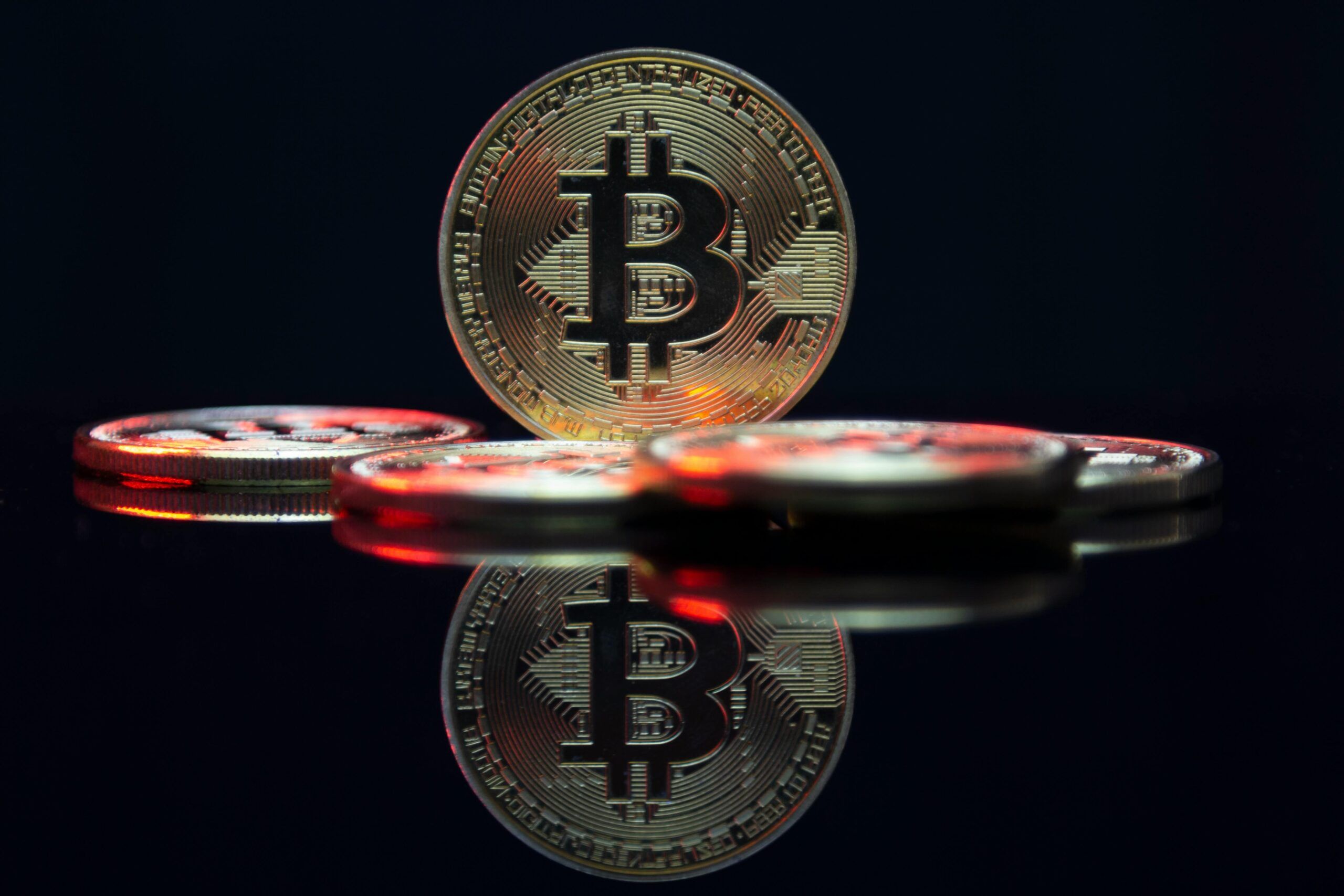
What Are Covered Stablecoins?
Covered Stablecoins are a type of digital asset designed to maintain a stable value relative to a reference asset, such as the U.S. dollar (USD), another fiat currency, a commodity (e.g., gold), or a basket of assets. These tokens aim to track the value of the reference asset on a one-to-one basis, although the mechanisms to achieve such parity may vary. Their primary purpose is to offer stability within a cryptoasset market characterized by high volatility, making them an attractive tool for investors and users seeking a medium of exchange, a store of value, or a unit of account without the fluctuations inherent to other cryptocurrencies such as Bitcoin.
STAY UPDATED
Here is the video collaboration in case you prefer this format:
What Practical Value Do Covered Stablecoins Offer?
The practical value of Covered Stablecoins lies in their ability to combine the efficiency of blockchain technology (fast, transparent, and global transactions) with the stability of traditional assets. For investors, these assets are useful in various contexts: as a safe haven during periods of heightened volatility in crypto markets, as a means for executing cross-border transactions without the friction of traditional banking systems, or as a vehicle for preserving the value of funds within decentralized ecosystems. Moreover, Covered Stablecoins allow market participants to gain exposure to the crypto space without assuming extreme price risks, making them suitable for hedging strategies or for facilitating the entry of new participants into the digital asset ecosystem.
Do Covered Stablecoins Have an Equivalent in Spain?
In Spain, Covered Stablecoins are considered analogous to Asset-Referenced Tokens (ARTs) under the Markets in Crypto-Assets Regulation (MiCA) of the European Union. In contrast, Payment Stablecoins, which in Spain are equated with Electronic Money Tokens (EMTs), are stablecoins specifically designed to facilitate payments and are backed by fiat currency reserves. Both types of stablecoins are subject to regulation under MiCA, which imposes strict requirements on issuers, including the obligation to maintain liquid reserves and to guarantee the redemption of tokens at any time.
Are Covered Stablecoins Considered Securities in the United States?
The U.S. Securities and Exchange Commission (SEC), in its statement dated April 4, 2025, clarified that transactions involving Covered Stablecoins do not constitute securities transactions under the Securities Act of 1933 or the Securities Exchange Act of 1934. This determination is based on the conclusion that these assets do not meet the criteria established by the Howey test, which defines a security as an investment contract involving an expectation of profit derived from the efforts of others. Covered Stablecoins and Payment Stablecoins do not create an expectation of profit, as they are designed to maintain a stable value rather than to offer speculative returns. Therefore, activities related to their issuance, marketing, or redemption do not require registration as securities, nor must participants in such transactions register as brokers, exchanges, or clearing agencies.
This SEC position carries significant implications. By not classifying Covered Stablecoins as securities, regulatory burdens on issuers are reduced, thereby promoting innovation in the digital asset sector. However, the SEC also emphasized that this interpretation may be superseded by future legislation, such as proposals that explicitly exclude Payment Stablecoins from the definition of securities. In the Spanish context, MiCA provides a clear regulatory framework for ARTs and EMTs, ensuring consumer protection and financial stability, thereby reinforcing trust in these instruments.
In Conclusion, Covered Stablecoins represent a practical solution for those seeking stability in the crypto ecosystem, with applications ranging from payments to conservative investment strategies. Their regulation, both in the United States and in Europe, reflects an effort to balance innovation with legal certainty and security, paving the way for broader adoption.
Financial regulation changes constantly; at ILP we analyse it to anticipate its impact on our clients.
If you enjoyed this article, you might also find the following one interesting:
The New Regulation of Cryptocurrencies under Trump
Don’t be left in doubt, get in touch. We’ll be happy to help and offer you solutions.
Contact
Don’t be left in doubt, get in touch. We’ll be happy to help and offer you solutions.